In this post, I want to turn away from campaign strategy for a bit and discuss another prominent issue that public relations professionals should pay attention to in relation to political campaigns. In recent years, it has become increasingly common for CEOs of various companies to take a stand and endorse candidates for election. It is also not uncommon for them to directly involve themselves in political discourse. As public relations professionals, it is important to monitor which prominent figures in the business world are taking a stand on political issues and candidates, and whether their company values align with what their leader is saying.
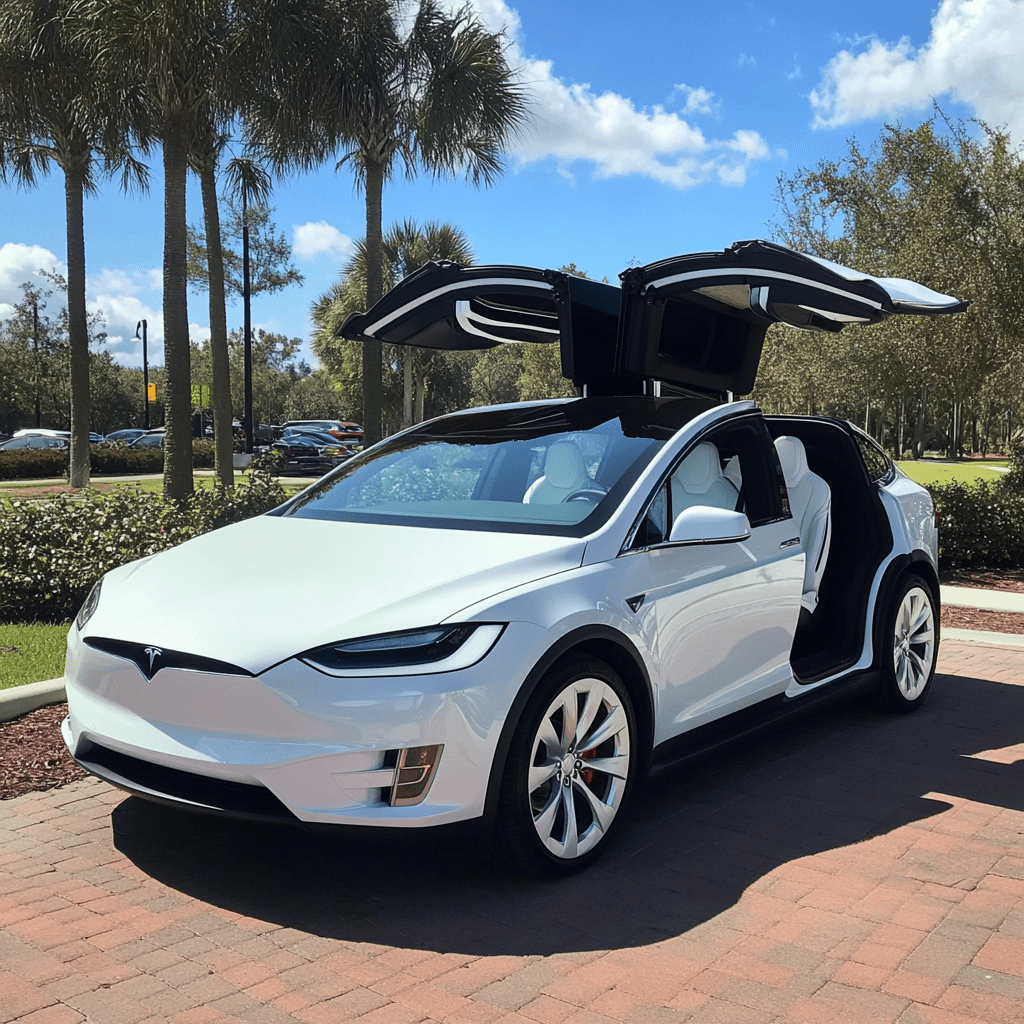
In this blog post, I will focus on Elon Musk and his company Tesla. There is a stark contrast between how the company portrays their commitment to combating climate issues with their product and how Musk discusses climate change on his social platforms, while also showing support for a presidential candidate who has openly denied the existence of climate change.
When looking at the Tesla website for information about corporate social responsibility (CSR) campaigns surrounding climate change, there is nothing. To find any information about Tesla’s impact on the environment, you must visit a separate site: the Tesla Impact Page. This page reviews Tesla’s environmental impact as a company and reports how its products contribute to the health of the environment.

This page is thorough and presents a company that seems genuinely dedicated to helping the environment. However, when you compare this to statements made by Musk, the difference is glaring. Musk has spread false information through his Twitter (now X) platform about climate change. This past June, he claimed that agriculture doesn’t impact the composition of the climate’s atmosphere, which has been disproven by various scientists. In addition to his own personal comments, Musk has been a steadfast supporter of former president Trump since the run up to the 2016 election. Trump has denied the validity of climate change, calling it an elaborate “scam.”
How do these two fundamentally different claims match up? The short answer is that they don’t. Musk’s views, despite being the CEO of Tesla, do not seem to align with the company’s commitment to combating climate change. The consequences of this contradiction for the company could be significant. As a public relations professional working in a political capacity, it is important to recognize that contradictions of this nature exist. Musk is not the only example; many other corporate leaders have strayed from their company’s mission to support certain political candidates. By understanding these complex relationships when working on campaigns, you can better advise your client on how to navigate these tricky relationships with prominent figure heads of popular companies.
 Alexis Stinnett
Leave a comment