
We’ve spent a lot of time discussing major elections and campaign strategies. This week, I want to shift the focus and talk about campaigning on a smaller scale. That’s right, today we’re going to discuss local elections. Although local elections don’t have the same visibility as national elections, they are still extremely important—and, in some areas, even more so. For many people, there is a closer connection with local and state elections than with national elections. Voters often feel that those they elect to local offices will have a more direct impact on their day-to-day lives. Due to these factors, campaigning for smaller elections looks a bit different. Throughout this post, I want to highlight a few strategies that can make or break a local campaign.
Canvassing

Canvassing is a critical aspect of local—and even state-level—campaigns. For those who may not be familiar, door knocking is exactly what it sounds like: walking around, knocking on doors, and talking to people. Typically, it’s important to focus canvassing efforts on geographical areas where the campaign aims to gain voters. While the candidate can certainly do this themselves, it’s often carried out by volunteers who go to specific areas to talk about the candidate and their policies.
Canvassing can be monotonous and time-consuming. However, people appreciate it—especially in local elections—when they feel that the candidate genuinely cares about them and wants to hear their concerns. By organizing door-knocking campaigns, the candidate has the opportunity to forge personal connections, which are invaluable in local elections.
Working with Local Organizations
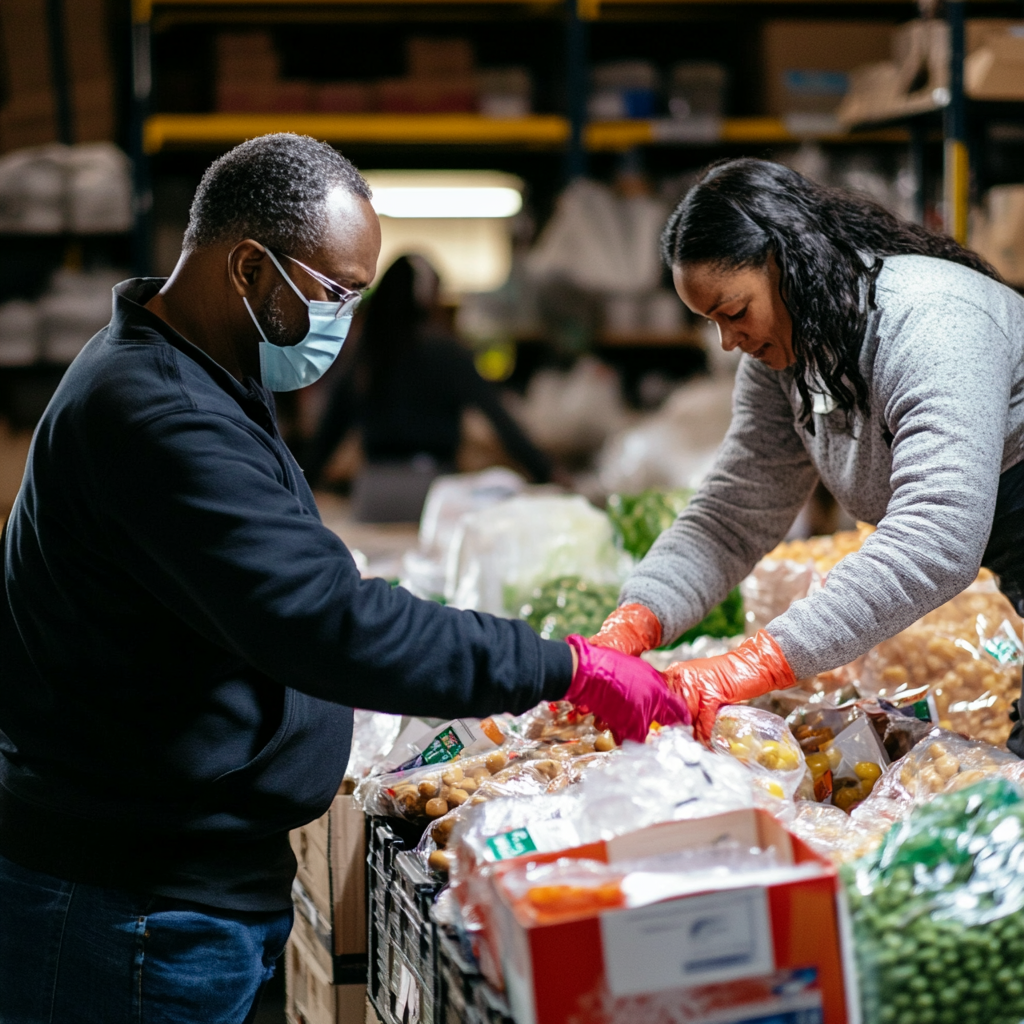
In addition to canvassing, having the candidate work with local organizations can be extremely beneficial, particularly when these organizations are well known and respected in the community. These organizations should also align with the candidate’s values and platform. For example, if the candidate is a strong advocate for LGBTQIA+ rights, working with a nonprofit focused on providing shelter for at-risk LGBTQIA+ youth would be highly effective. Many of these organizations have strong networks that can help expand the candidate’s voter base.
Collaborating with local organizations also helps get the candidate’s name out in a positive light. As mentioned earlier, voters want to see that the candidate cares about issues that are relevant to them and will impact their daily lives. By partnering with local organizations, the candidate can demonstrate to constituents that they care and will work to make a difference.
Attending Local Events

Finally, it’s important for the candidate to remain an active member of the community during the campaign. One of the best ways to achieve this is by attending local events. Local events can include anything from going to the weekly farmers market with their family to attending the big rivalry high school football game. Any opportunity to show voters that the candidate is a regular person, actively engaged in the community, can be beneficial.
Voters in local elections don’t want to feel alienated or intimidated by the candidate they’re voting for. By being present at local events, the candidate can show they are just like the people they seek to represent, which helps build a stronger connection with potential voters.
Overall, for many people, local elections are more important than the big national ones we see on TV. Community members often feel that those they elect to local offices can make a more substantial difference in their lives than, say, the president would. When working on a local campaign, it’s crucial to keep this in mind. Building community and personal connections is key to ensuring the success of your candidate.
 Alexis Stinnett
Leave a comment